Posts Tagged ‘mining’
Filming in the desert. What could go wrong?
“… in this world nothing can be said to be certain, except death and taxes.” – Benjamin Franklin, 1789
Next to death and taxes, a dry day in Calama is about as close to a sure thing as you’ll find in these uncertain times. Or so I thought.
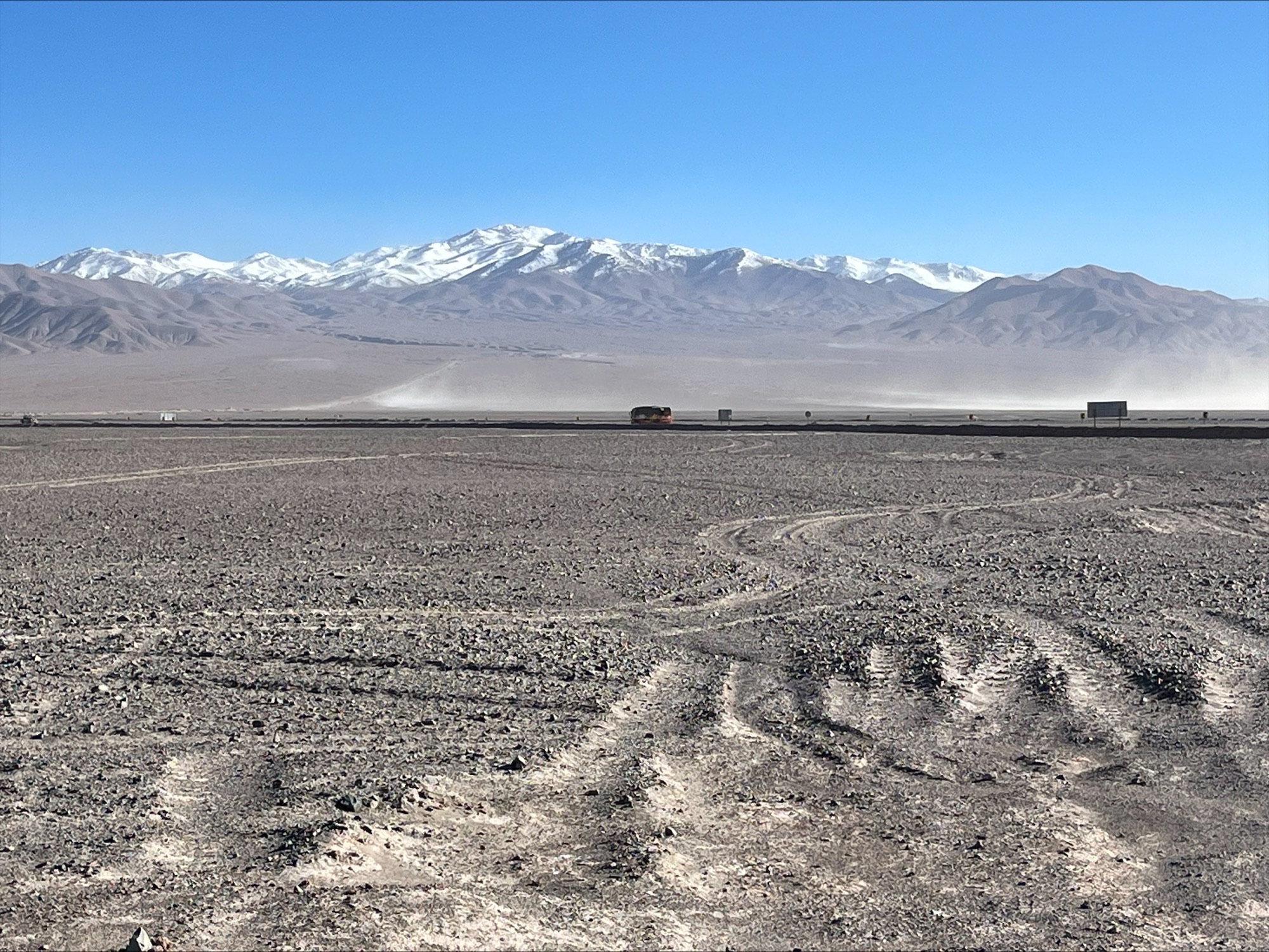
Located in northern Chile’s Atacama Desert, the city of Calama and the nearby Radomiro Tomic mine receive an average yearly rainfall of five millimetres – about enough to moisten a hard hat.
It’s in this vast, arid moonscape the world’s largest copper producer, Codelco, operates several mines including Chuquicamata, one of the largest open-pit mines ever excavated at a kilometre deep. Smaller but producing more copper, Radomiro Tomic mine operates at 3,000 metres (9,800 feet). A deep breath here means an uncomfortable mix of dust and too little oxygen.
As part of my remit to make mining technology sexy, Hexagon dispatched me and a Reuters film crew to Radomiro Tomic (named after the Chilean politician who championed nationalizing the industry). Flin Flon, Manitoba, Toquepala, Peru, Cerrejon, Colombia, Mount Polley, Canada … Calama was the latest in a list of work trips to places that don’t sell postcards or track tourist visits.
Numerous logistical challenges had still to be navigated: international travel, visas, mine orientation, safety inductions, itemised equipment logs, storyboarding, footage reviews and approvals.
All so we could capture my boss explaining the company’s vision in an actual mine instead of a boardroom.
Weather had been far from top-of-mind.
A week before the August 18 shoot date, we checked the seven-day outlook. How hard could it be forecasting weather for the Atacama Desert? (Google “where’s the driest place on Earth?” when you get a moment.)
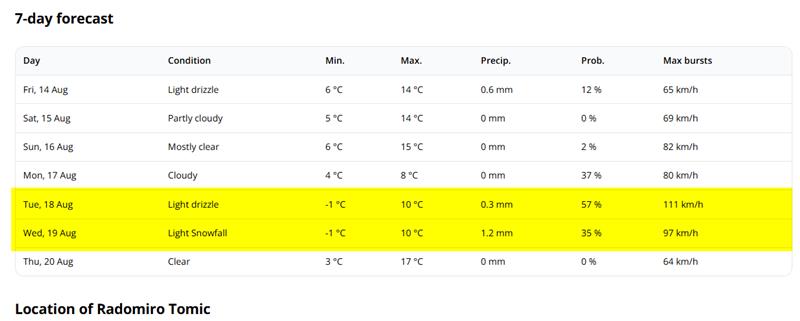
Hmmm, sub-zero morning temperatures and wind gusts of 111 km/h, bookended by drizzle and light snowfall. Surely, long-range forecasting could not be so accurate in a place so unused to anything but sunshine. Turns out it can; it was; it is.
The elements conspired to confine our film shoot to Radomiro Tomic’s control room, where my boss explained the vision and his Codelco counterpart spoke passionately about the importance of copper to the technologies shaping our future.
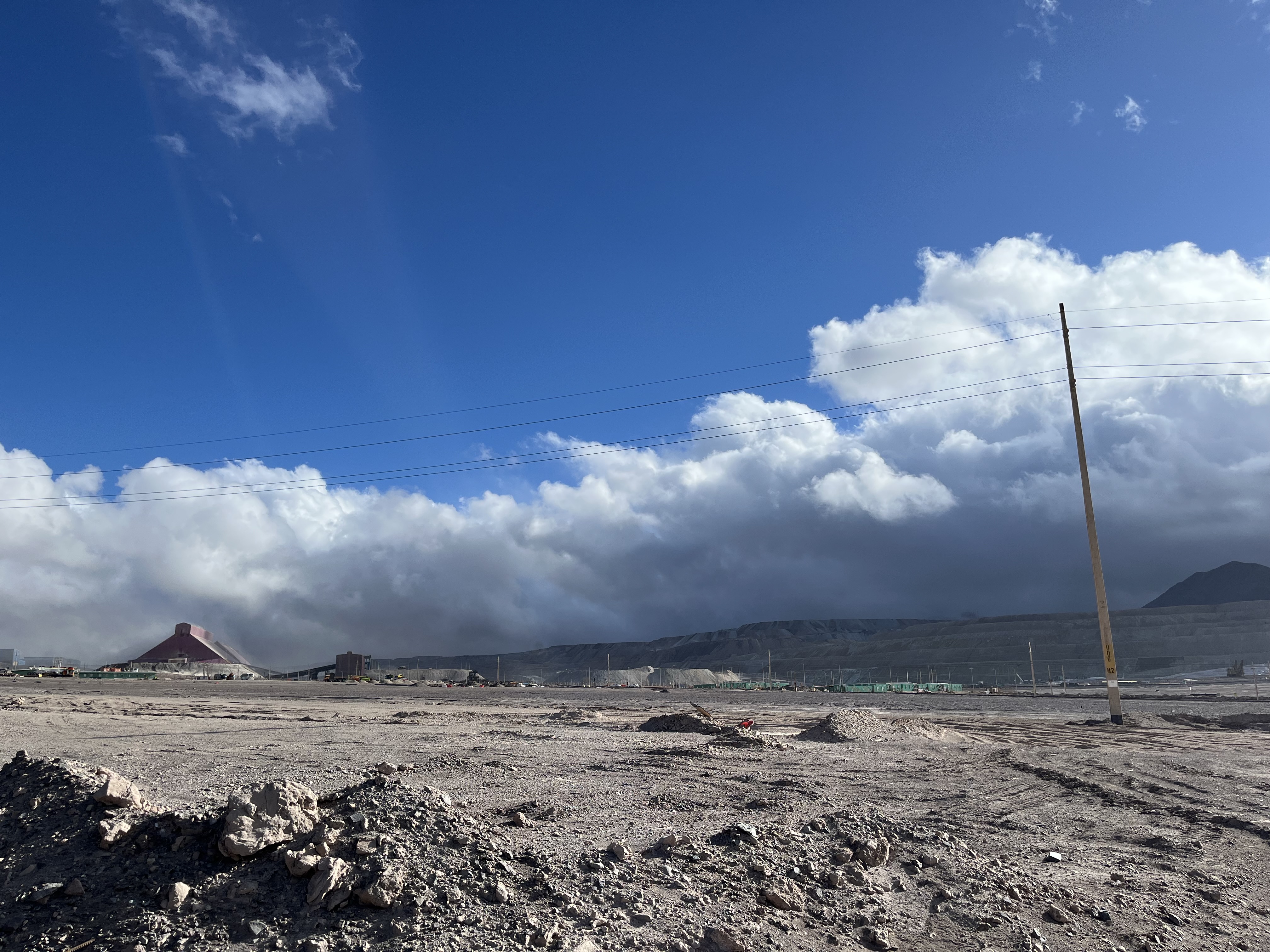
We captured the outdoor shots later that week; when the wind abated; the sunshine returned; and the Atacama went back to behaving properly, like a desert.
My thanks to the film crew for their patience, to Codelco for their hospitality, and to Benjamin Franklin, who nailed life’s actual certainties almost 250 years ago.
One night in Flin Flon
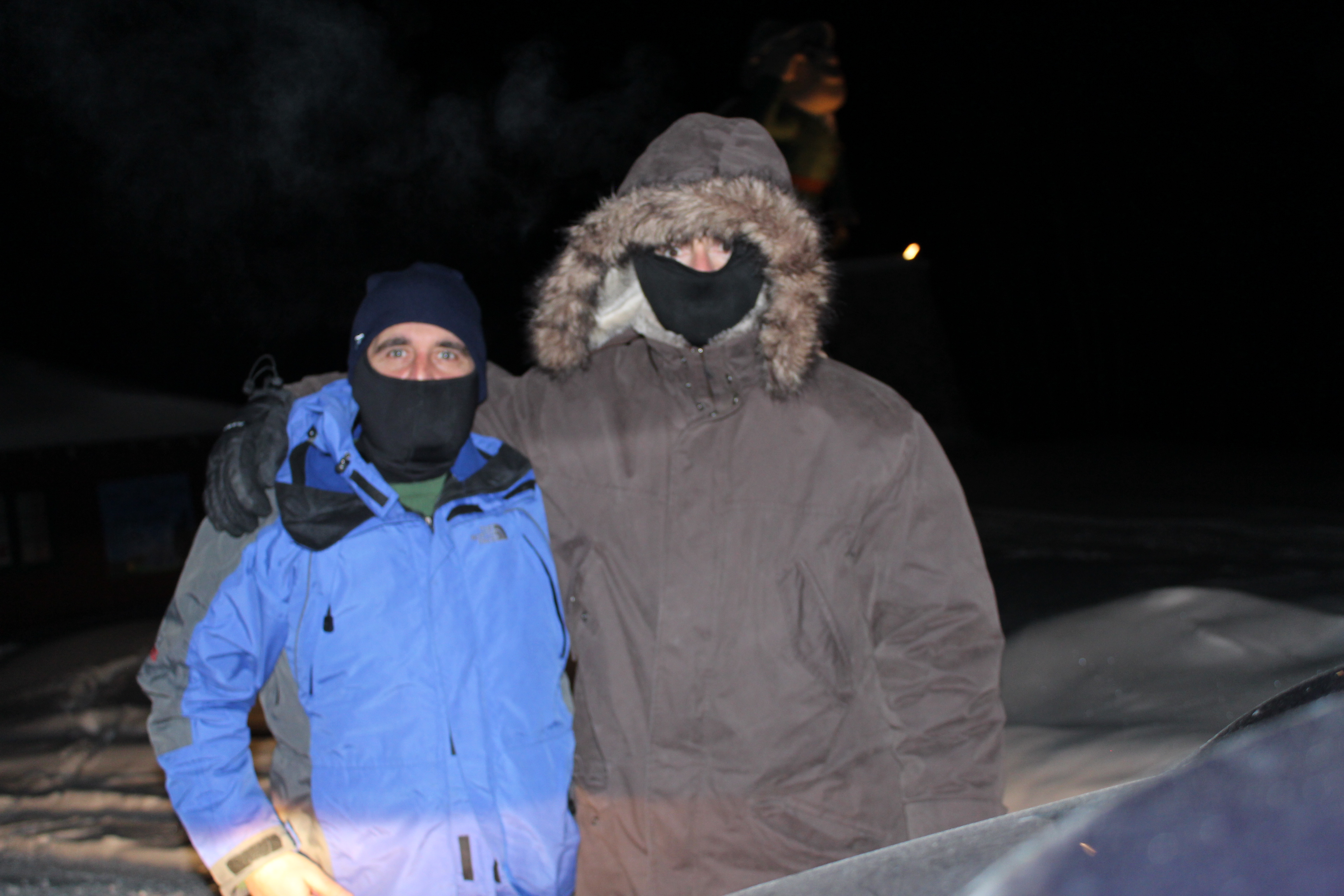
What minus 40 looks like in Flin Flon, birth place of Bobby Clarke and the phrase, “it’s a dry cold”.
They don’t sell postcards in Flin Flon, Manitoba; at least none that I found. It’s a desperately cold place most of the year.
“Chilly” is how the pilot describes it upon landing. Helen at the car rental desk confirms that, yes, it’s cold. “But tolerable without the wind.”
How cold?
Minus 39.6, according to the airport’s only baggage handler. “We’ll call it minus 40,” he says.
Celsius … Fahrenheit, it doesn’t matter. My idea of cold will never be the same. Lager’s cold. So is a dip in the sea off Margate. But February 1st in Flin Flon is worthy of its own definition of cold.
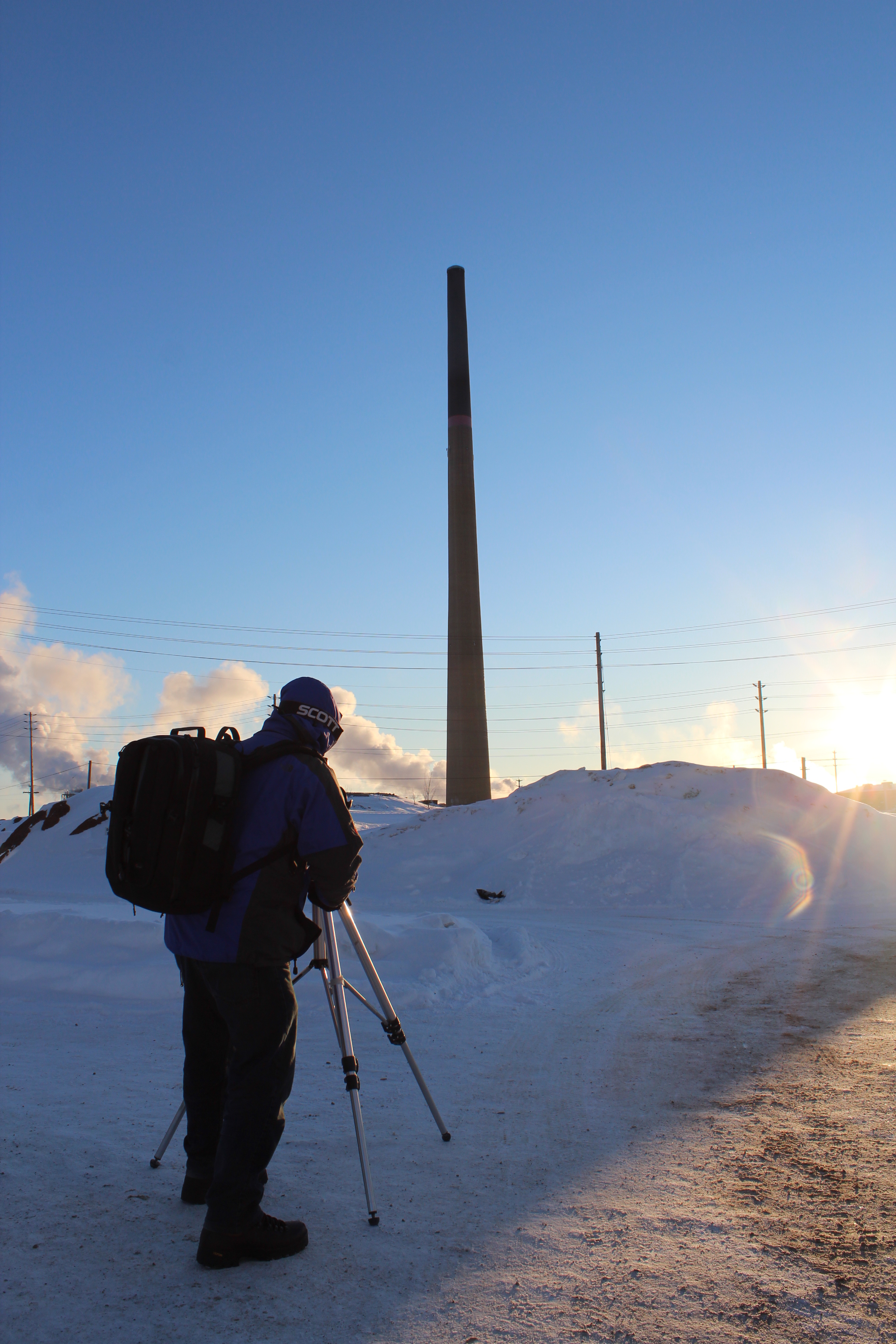
A kilometre below where Javier is standing it’s about 55 degrees warmer – which isn’t much consolation really.
My colleague Javier and I are here from Vancouver to film a video in Flin Flon’s copper mine. We try to look casual, hauling our camera gear across the car park to the rental truck. “It’s not that bad,” says Javier. “No, not so bad,” I wheeze, acutely aware of snot freezing in my nose.
The pallid sun we’d last seen during a stopover in Winnipeg has long since set and we drive in twilight to Flin Flon. Manitoba looks grainy monochrome, a stunted boreal forest dotted with lakes frozen into frigid stillness.
In Flin Flon, we plug our truck into a block heater outside the Victoria Inn. Inside, we eat perogies and drink beer. Our server tells us that minus 40 is mitigated by the fact that Flin Flon’s cold “is a dry cold”.
Her tongue is not in her cheek.
Fortified by curiosity, we drive into town, and then walk down Main Street. Most of the houses are old and wooden, with rooftops wilting under snow whipped into drifts. At the Co-op I buy myself a Flin Flon Bombers hockey jersey. I tell the cashier about a friend from Saskatchewan, who hated coming to play hockey against Flin Flon, the toughest team in the Canadian junior league.
At first she’s offended. “Why,” she demands. “Because they knew they’d have to fight,” I tell her. She smiles. “We love our Bombers,” she says.
We tread gingerly on a snowy sidewalk up the street to Flin Flon’s war memorial and a view overlooking the town. Fumes from the mine are the only thing obscuring a sky full of stars. The only other person on the street nods hello as he passes us, and calls us pussies for wearing gloves. He’s not wearing gloves.
A short drive away, we arrive at Flinty, a statue of a cartoonish-looking prospector. Gloves off, I photograph Flinty – built in tribute to Josiah Flintabbatey Flonatin. Flonatin appears in a sci-fi novel called The Sunless City. He pilots a submarine through a bottomless lake and into an underground world through a hole lined with gold. Prospector Tom Creighton had a copy of the book when he stumbled on a rich vein of copper here in 1918.
Flin Flon might be the only town named after a character in a dime-store paperback.
But that’s another story.
-

- Prepared for the worst.
-
- Flinty by day.
-
- A jumbo drill at work, a kilometre below Flin Flon.
-

- Five minutes in Winnipeg and he’s a Jets fan.

